Quick Summary
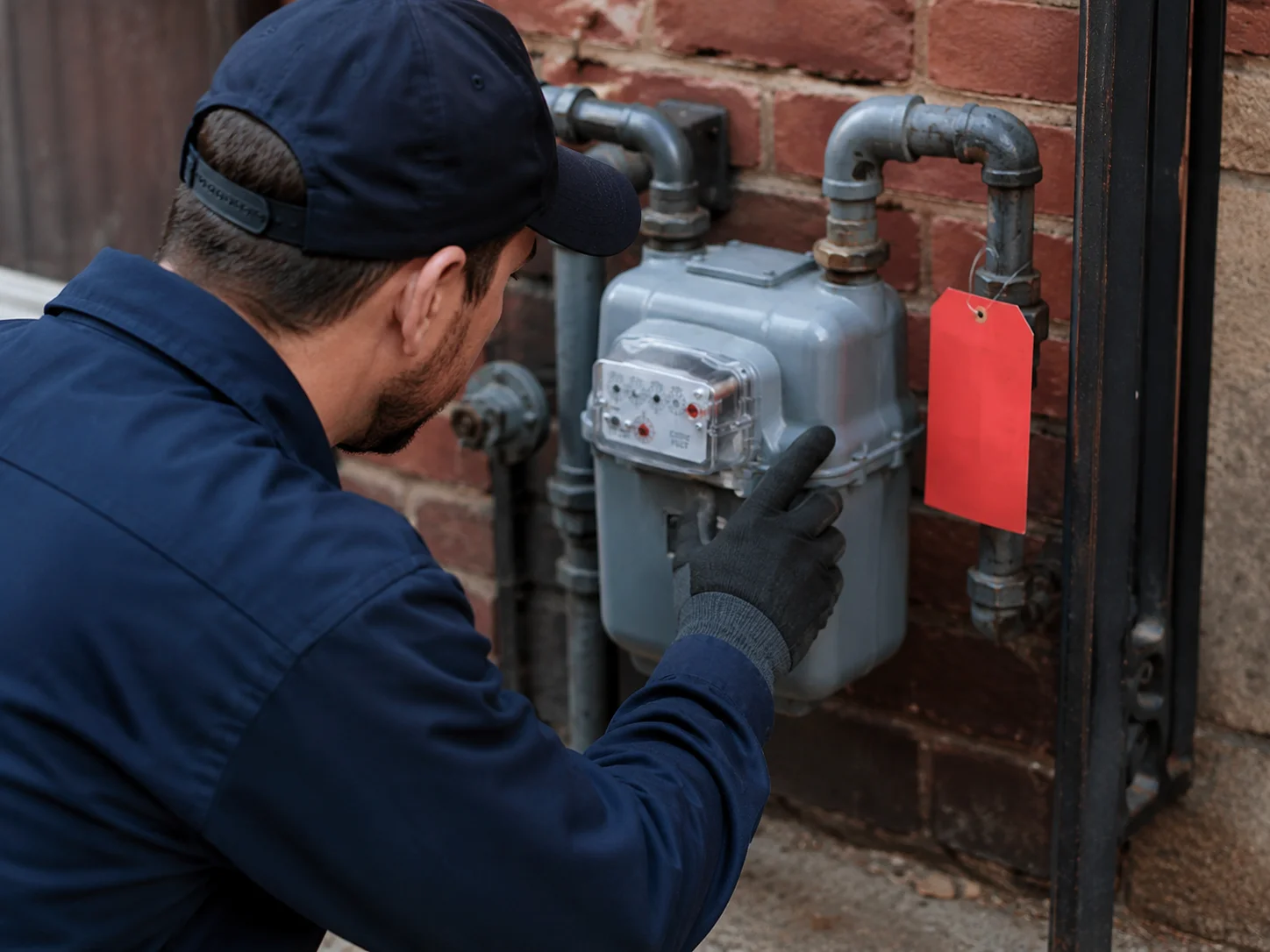
Class A, Class B, and Class C gas warning tags are used to identify hazardous or potentially hazardous gas conditions. A Class A warning is the most serious and usually means the gas must be shut off and the meter locked. A Class B warning is also an immediate hazard, but it may be limited to a specific appliance or section of the gas system. A Class C warning is not usually an immediate danger, but it can become hazardous if left uncorrected. If Con Edison or National Grid issues a gas warning tag, NYC property owners should not attempt to restore gas themselves. The safest next step is to contact a licensed gas professional to inspect the issue, make the required repairs, and help complete the proper gas restoration process.
If you have just received a gas warning tag from Con Edison or National Grid, the first reaction is usually panic. Sometimes the gas is shut off right away. Sometimes, only one appliance is taken out of service. Other times, the gas may be left on, but you are told repairs are still required.
Either way, a gas warning tag should never be ignored.
In our experience, many homeowners, landlords, building managers, and business owners are not fully sure what the tag means. They may see Class A, Class B, or Class C on a Con Edison or National Grid warning tag, but they are not always told clearly what happens next.
This guide explains the difference between Class A, Class B, and Class C gas warning tags, why gas may be shut off, and what NYC property owners should do after receiving one.
Important Safety Note
If you smell gas, leave the area immediately, avoid using electrical switches, phones, lighters, matches, or open flames near the suspected leak, and call 911 and your gas utility from a safe location. Do not try to investigate or repair a suspected gas leak yourself.
What Is a Gas Warning Tag?
A gas warning tag is issued when a utility company, inspector, or qualified professional identifies a hazardous or potentially hazardous condition involving a gas system.
This may involve the gas meter, riser, appliance, gas valve, gas piping, appliance connection, venting system, or other related equipment.
Common reasons for a gas warning tag may include:
- A gas leak
- Unsafe appliance connection
- Corroded gas piping
- Improper venting
- Defective appliance control
- A gas valve is passing gas
- A spill switch issue
- A capped or plugged gas line
- Unsafe boiler, water heater, stove, or furnace connection
- A condition that could create a carbon monoxide risk
Both Con Edison and National Grid use A, B, and C classifications to describe the seriousness of certain hazardous gas conditions. The tag may also show whether gas was shut off, locked, capped, plugged, or isolated at a specific location.
Class A Gas Warning Tag: Immediate Hazard
A Class A gas warning tag is the most serious type of warning.
Con Edison describes a Class A condition as an immediate hazard that requires shutting off the gas and locking the meter, unless the affected area can be effectively isolated from the rest of the gas system. National Grid uses similar Class A language for immediate hazards that require the gas to be shut off and the meter locked, unless the hazard can be isolated from the rest of the gas system.
In plain English, this usually means the utility found something serious enough that the gas cannot remain on safely.
Example of a Class A Gas Hazard
A property owner in Queens smells gas in the basement. National Grid arrives and finds a leak in the house piping after the meter. Because the leak cannot be safely isolated to one appliance, the utility shuts off the gas and locks the meter.
In this situation, the property owner cannot simply call the utility and ask them to turn the gas back on. The leak has to be located, properly repaired, pressure-tested if required, and cleared through the correct process before service can be restored.
What a Class A Tag Usually Means for You
If you receive a Class A warning tag, you may be dealing with:
- A locked gas meter
- Full gas shutoff to the property
- No heat, hot water, cooking gas, or gas appliance use
- Emergency gas repair needs
- Possible inspection and approval requirements before restoration
You should not try to remove the lock, open the valve, or turn the gas back on yourself. This is dangerous and can create serious liability.
Class B Gas Warning Tag: Immediate Hazard That May Affect One Appliance or Area
A Class B gas warning tag also indicates an immediate hazard, but it often applies to a specific appliance, piece of equipment, or section of the gas system rather than to the entire property.
Con Edison describes Class B as an immediate hazard that requires the gas to be shut off, but not necessarily locked off, if the affected area can be effectively isolated by disconnection. National Grid also explains that a Class B condition requires the gas to be shut off, but the meter may not need to be locked unless the hazard cannot be isolated from the rest of the gas system.
This is still serious. The difference is that the entire property may not always lose gas service.
Example of a Class B Gas Hazard
A building owner in Brooklyn has a gas stove with an unsafe appliance connector. Con Edison inspects the condition and determines that the problem is isolated to that appliance. The gas to the stove is shut off, but the rest of the building’s gas service may remain active.
In this case, the stove cannot be used until the issue is repaired. However, the boiler or other appliances may still be allowed to operate if they are not affected.
Common Class B Situations
A Class B condition may involve:
- Unsafe appliance connection
- Defective appliance control
- Localized appliance gas leak
- Defective shutoff valve
- Venting problem affecting one appliance
- Isolated piping issue
- Gas valve issue supplying a specific appliance
Even if the entire meter is not locked, the affected appliance or line should not be used until it is repaired and cleared.
Class C Gas Warning Tag: Not Immediate, But Still Needs Repair
A Class C gas warning tag is generally less urgent than a Class A or Class B tag, but it still matters.
Con Edison and National Grid both describe Class C conditions as conditions that do not present an immediate hazard when found, but may become hazardous if left uncorrected. Gas service may be left on when this condition is discovered.
This is where some property owners make a mistake. Because the gas is still on, they assume the issue is not important. That can lead to bigger problems later.
Example of a Class C Gas Hazard
A landlord in Staten Island receives a warning for an appliance venting issue that is not considered an immediate hazard at the time of inspection. The gas is left on, but the utility notes that the issue must be corrected.
The landlord delays the repair because the tenants still have heat and hot water. Months later, the condition worsens, and a follow-up inspection reveals a more serious issue and a possible gas shutoff.
A Class C warning is not something to panic over, but it is something to handle before it becomes an emergency.
Why You Should Not Ignore a Class C Tag
A Class C issue may involve a condition that is manageable today but unsafe tomorrow. Gas systems are not something to “wait and see” with.
If a gas red tag warning has been issued, it means the condition has already been identified and documented. For landlords, commercial property owners, and building managers, ignoring it can also create compliance, safety, and liability concerns.
Class A vs. Class B vs. Class C: Quick Comparison
| Warning Type | Severity | Gas Shutoff? | Typical Meaning |
| Class A | Highest | Usually yes, often with the meter locked | Immediate hazard affecting the gas system |
| Class B | Serious | Often shut off to the appliance or the affected area | Immediate hazard that may be isolated |
| Class C | Lower, but important | Gas may be left on | Not immediate, but could become hazardous if ignored |
The main point is simple: Classes A and B are immediate hazards. Class C may not be immediate, but it still requires correction.
What Should You Do After Receiving a Gas Warning Tag?
If you receive a gas warning tag from Con Edison or National Grid, the right steps depend on the type of condition, but the general process is similar.
1. Read the Tag Carefully
Look for the hazard class: A, B, or C.
Also, check the section showing where the tag was applied. The tag may indicate whether the issue was found at the meter, riser, appliance, gas service, extension service, or another location.
2. Do Not Turn the Gas Back On Yourself
If the gas has been shut off, locked, capped, or plugged, do not tamper with it.
This is especially important if the meter has been locked. Trying to restore gas without proper repair and approval can be extremely dangerous.
3. Identify Whether the Issue Affects the Whole Property or One Appliance
A Class A issue may shut down the entire gas service. A Class B issue may affect only one appliance or section of the system. A Class C issue may allow gas to stay on temporarily.
Knowing the difference helps determine how urgent the repair is and what type of professional response is needed.
4. Call a Licensed Master Plumber or Qualified Gas Professional
In NYC, fuel gas piping repairs and gas restoration work are not handyman jobs. Depending on the condition, the repair may require a Licensed Master Plumber and proper coordination with the utility and/or city requirements.
This is especially true when gas service has been shut off and needs to be restored.
5. Get the Problem Properly Repaired
The repair might be simple, such as replacing an unsafe appliance connector. Or it could be more involved, such as locating and repairing a leak in the gas piping system, replacing corroded piping, correcting venting problems, or addressing a defective control.
6. Follow the Correct Gas Restoration Process
Gas restoration may involve inspections, pressure testing, paperwork, utility coordination, DOB filings through DOB NOW, and approval before the meter is unlocked or service is restored.
The process depends on the utility, property type, condition found, scope of repairs, and whether city filings or inspections are required.
Can You Still Use Your Gas Appliances After a Warning Tag?
It depends on the warning class and what the utility shuts off.
If the utility shuts off the full meter, you should not use any gas appliances. If only one appliance was isolated, the other appliances may still be allowed to operate if they were not affected. If the gas was left on under a Class C condition, you may still have service, but the issue still needs to be corrected.
The safest answer is this: Only use what the utility has left safely in service, and have the tagged condition inspected and repaired as soon as possible.
How Long Does Gas Restoration Take?
This is one of the most common questions property owners ask after receiving a red tag or gas warning notice.
The honest answer is: it depends.
Gas restoration may depend on:
- The type of warning tag
- Whether the gas meter was locked
- Whether the issue affects one appliance or the whole property
- Whether gas piping repairs are needed
- Whether pressure testing is required
- Whether DOB-related work or inspections are involved
- How quickly the utility can return
- Whether the property is residential, commercial, mixed-use, or multi-family
A small appliance-related issue may be resolved much faster than a full building gas shutoff involving pipe repairs, DOB involvement, and utility coordination.
From experience, the biggest delays often happen when property owners wait too long to call the right professional, or when the original issue was not repaired correctly the first time.
Common Mistakes Property Owners Make After a Gas Warning Tag
Waiting Too Long
A Class C warning can become a bigger issue if ignored. A Class A or B warning should be treated as urgent.
Calling the Wrong Type of Contractor
Not every plumber is qualified or licensed to handle gas restoration work in NYC. For serious gas piping or utility-related issues, you need someone who understands the repair, inspection, approval, and utility coordination process.
Assuming the Utility Will Fix the Problem
Con Edison or National Grid may identify the hazard and shut off or isolate the gas, but the property owner is usually responsible for hiring the right professional to make repairs.
Trying to Use the Appliance Anyway
If an appliance has been shut off, tagged, disconnected, capped, or marked unsafe, do not use it until it has been properly repaired.
Not Keeping Records
Keep copies of tags, repair invoices, inspection records, photos, and any utility communication. These may be useful later, especially for landlords, property managers, and commercial owners.
Final Thoughts: Take the Warning Tag Seriously
A gas warning tag is not just a piece of paper attached to a meter or appliance. It is a formal notice that a hazardous or potentially hazardous gas condition has been found.
A Class A warning means an immediate hazard usually requiring a gas shutoff and often a locked meter. A Class B warning also means an immediate hazard, but the issue may be isolated to a specific appliance or part of the system. A Class C warning may not be an immediate hazard, but it can become dangerous if left uncorrected.
If you receive any type of gas warning tag, the best approach is to act quickly, avoid touching the gas system yourself, and call a qualified professional to inspect the system, make the required repairs, and help you move toward safe gas restoration.
Important Safety & Compliance Note:
This article is for general informational purposes only and should not be treated as legal, engineering, or official utility guidance. Gas warning tag requirements and restoration procedures can vary depending on the utility, property type, hazard found, and NYC DOB requirements. If you smell gas or suspect an active gas leak, leave the area immediately, avoid using electrical switches or open flames, and call 911 and your gas utility from a safe location. For repairs, inspections, or gas restoration in NYC, contact a properly licensed professional.
Need Help With a Gas Warning Tag in NYC?
If Con Edison or National Grid issued a Class A, Class B, or Class C gas warning tag at your property, Buildwise can help inspect the issue, identify the required repairs, and guide you through the next steps.
Whether your gas meter has been locked, an appliance has been shut off, or you have received a warning that needs to be corrected, Buildwise Plumbing can help you resolve the issue safely, properly, and in compliance with NYC gas requirements.
Call 718-490-5413 now for immediate assistance.